Imagine you’re sitting in your favorite café, connected to the free Wi-Fi, sipping your coffee while scrolling through your emails. Harmless, right? But what you don’t see is that the same network could allow a hacker at the next table to peek into your data—your passwords, your bank details, even your private messages.
Now, think about how much of your life actually happens online: shopping, banking, streaming, working, chatting. Every click leaves a trace. Companies track your habits, advertisers build profiles of you, and in some countries, even the government keeps a close eye on what you’re doing.
In a world where your personal information is constantly being collected, sold, or stolen, online privacy isn’t just a luxury—it’s a necessity. And that’s where a VPN comes in. But how does this mysterious tool really keep you safe?
What Is A VPN ?
Think of it like driving on a busy highway. Normally, anyone can see your car, where you’re going, and which exits you take. But when you use a VPN, it’s as if you’re driving through a private tunnel—hidden from view, with only the tunnel’s exit being visible to the outside world. This way, your online activities remain private and much harder to track.
A VPN (Virtual Private Network) is a tool that creates a secure and encrypted connection between your device and the internet. Instead of sending your data directly to the websites or services you use, a VPN routes it through a secure server, hiding your real IP address and protecting your information from prying eyes.
How Does a VPN Work (Step-by-Step)
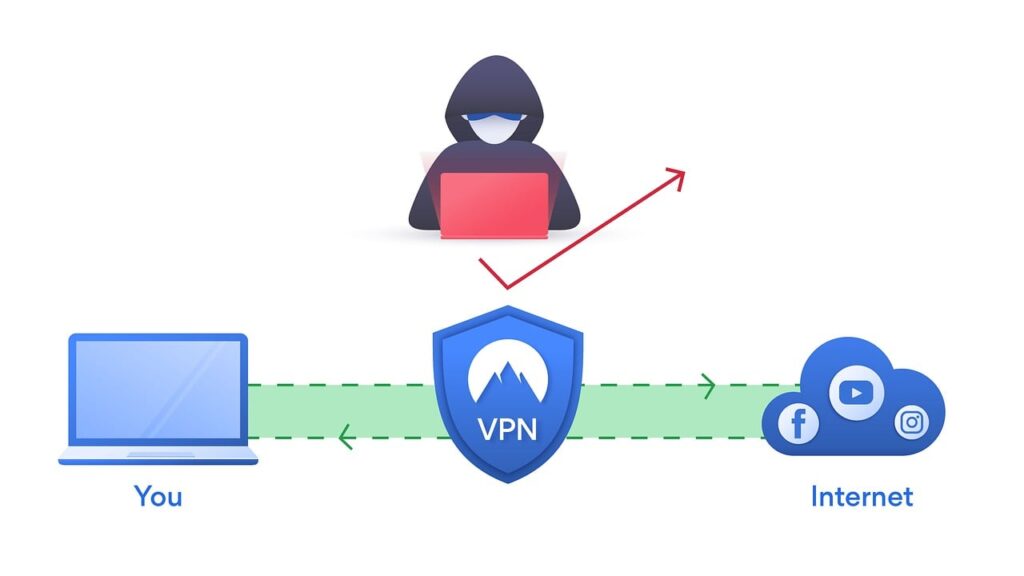
A VPN may sound complicated, but the way it works can be broken down into a few simple steps:
- You connect to the VPN app.
Once you open your VPN application and choose a server (for example, in France, the US, or Japan), your device starts communicating with the VPN provider instead of directly with the websites you visit. - Your internet traffic gets encrypted.
The VPN wraps all your data—websites you visit, messages you send, files you download—inside a strong layer of encryption. Think of it as sealing your information in a locked box that only you and the VPN server can open. - Your data travels through a secure tunnel.
Instead of going straight into the open internet, your information passes through a private, invisible “tunnel.” This tunnel protects your traffic from hackers, internet service providers (ISPs), or anyone else trying to spy on your activity—especially on unsafe networks like public Wi-Fi. - The VPN server hides your real IP address.
Once your data reaches the VPN server, it replaces your actual IP address (which reveals your location and device) with its own. This makes it look like you’re browsing from the VPN server’s location instead of your real one. - Websites only see the VPN server.
To the websites, apps, or streaming services you’re using, your requests appear to be coming from the VPN server—not from you personally. For example, if you connect to a VPN server in New York, Netflix or Google will think you’re browsing from New York, even if you’re actually at home in Paris.
👉 In short: A VPN creates a secure, encrypted tunnel between you and the internet, keeping your data safe and your identity private.
Benefits Of Using A VPN
Using a VPN goes beyond just “hiding your IP address.” It offers several practical advantages that make your online experience safer, freer, and in some cases, even cheaper:
- Privacy and Security
A VPN encrypts your internet traffic, which means your personal information—such as passwords, messages, or bank details—is much harder for hackers, your internet service provider (ISP), or even government agencies to intercept. This level of security is especially important in today’s world, where data breaches and online surveillance are so common. - Access to Restricted Content
Many streaming services, websites, and online platforms limit access based on your location. With a VPN, you can connect to servers around the world and “trick” these services into thinking you’re browsing from another country. This allows you to unlock Netflix libraries, bypass censorship, or access websites that are normally unavailable in your region. - Safe Browsing on Public Wi-Fi
Public Wi-Fi in airports, cafés, and hotels is notoriously unsafe because it’s easy for cybercriminals to snoop on the network. A VPN protects you by encrypting your connection, so even if someone tries to spy on your activity, all they’ll see is scrambled data. - Better Deals Online
Some websites show different prices depending on where you’re browsing from. For example, flights, hotels, or even software subscriptions can sometimes be cheaper if purchased from a different region. By switching your virtual location with a VPN, you can compare prices across countries and potentially save money.
👉 In short, a VPN combines security, freedom, and flexibility, making it an essential tool for anyone who values their online privacy or wants more control over their internet experience.
The Best VPN
There are countless VPN providers on the market today, each promising top-notch security and lightning speed. From popular names like ExpressVPN and Surfshark to newer players trying to stand out, the choices can feel overwhelming. But after comparing performance, reliability, and features, NordVPN consistently ranks as the best all-around VPN. It strikes the right balance between strong encryption, fast connections, and ease of use—making it suitable for both beginners and advanced users.
Why NordVPN?
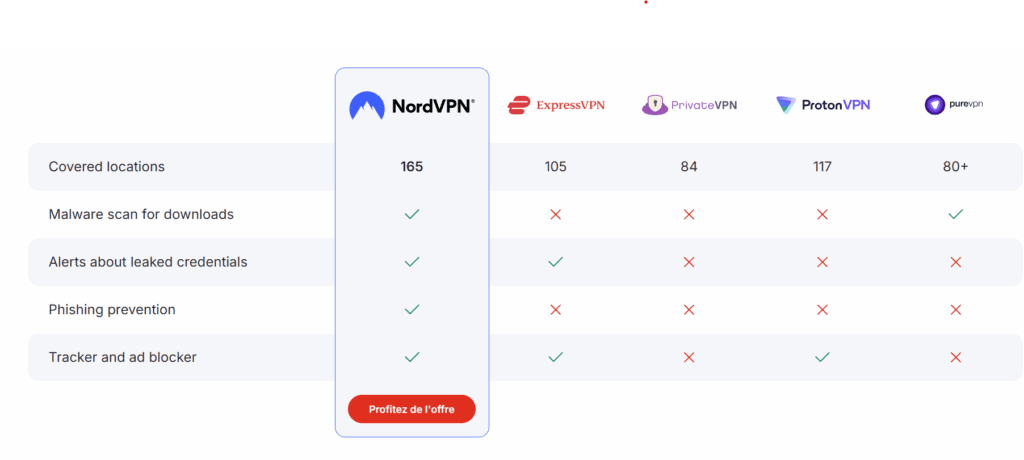
So, what makes NordVPN stand out from the competition? First, it uses industry-leading AES-256 encryption and modern protocols like NordLynx (built on WireGuard), ensuring your data stays secure without sacrificing speed. It also has one of the largest server networks worldwide, meaning you can access content from almost anywhere with minimal lag. NordVPN is particularly effective at unblocking streaming platforms such as Netflix, Hulu, or BBC iPlayer, which many VPNs struggle with. On top of that, it includes extra features like Double VPN, threat protection against malware and ads, and a strict no-logs policy verified by independent audits. All of this makes NordVPN not just a VPN for privacy, but also a powerful tool for entertainment, travel, and everyday browsing.
Conclusion
In today’s digital world, where our personal data is constantly being tracked, collected, and sometimes even exploited, protecting your online privacy is no longer optional—it’s essential. A VPN gives you a simple yet powerful way to take control: it encrypts your data, hides your identity, and opens up access to the global internet without borders.
Whether you’re streaming your favorite shows from abroad, securing your connection on public Wi-Fi, or simply browsing without being followed by trackers, a VPN is one of the most effective tools you can use. And while there are many providers out there, NordVPN stands out as the best all-around choice, offering top-notch security, speed, and features that make it easy for anyone to stay safe online.